Field archive 2016–2021
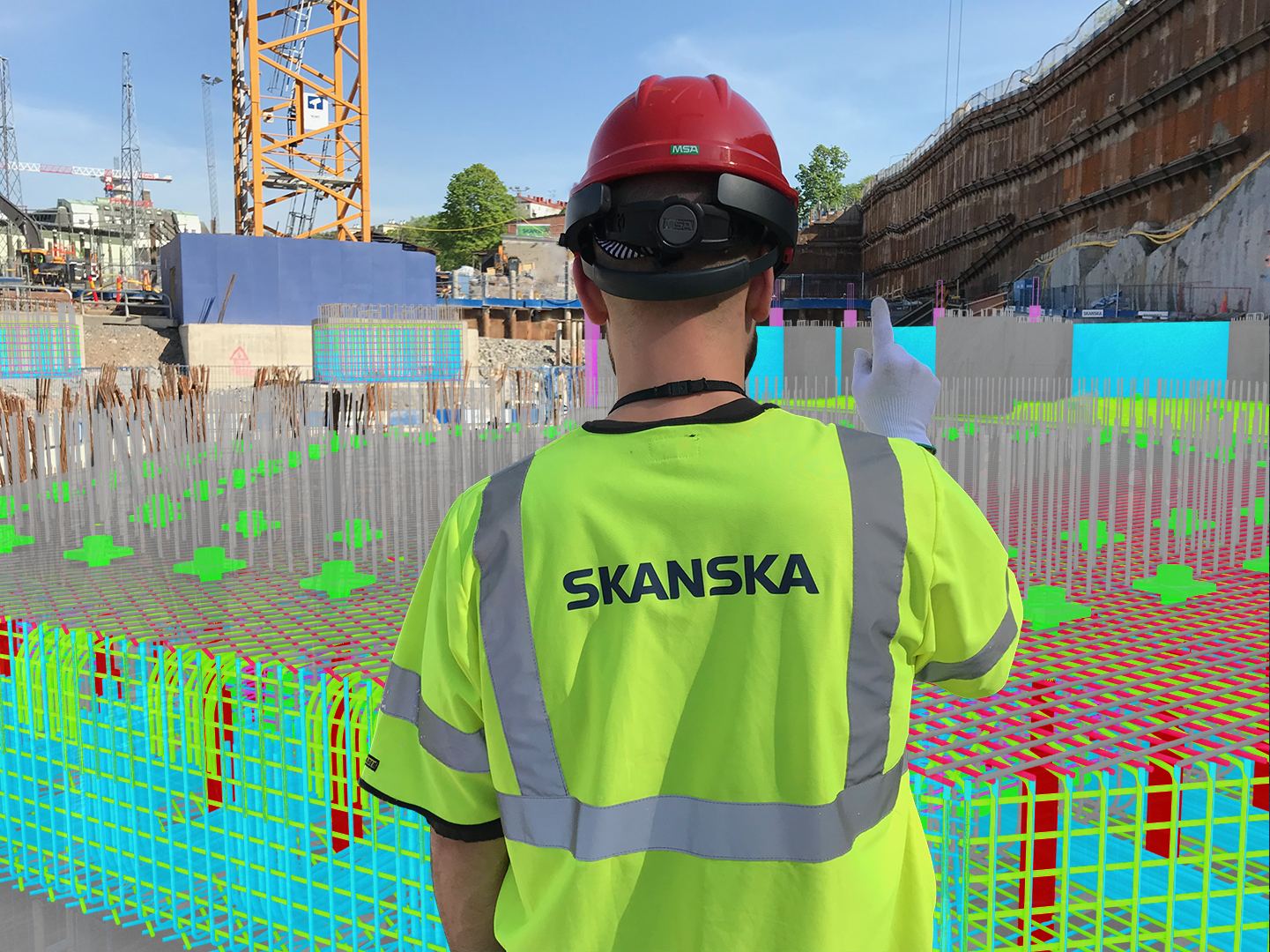
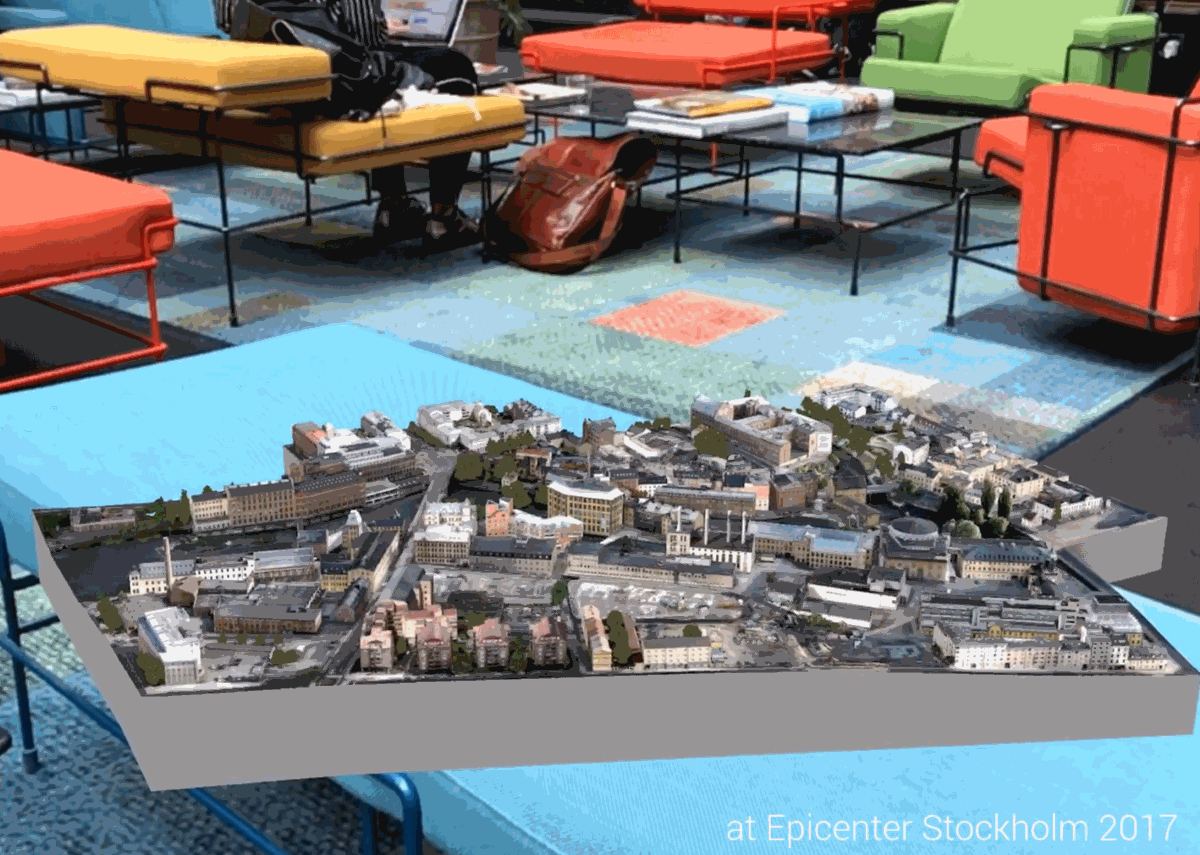
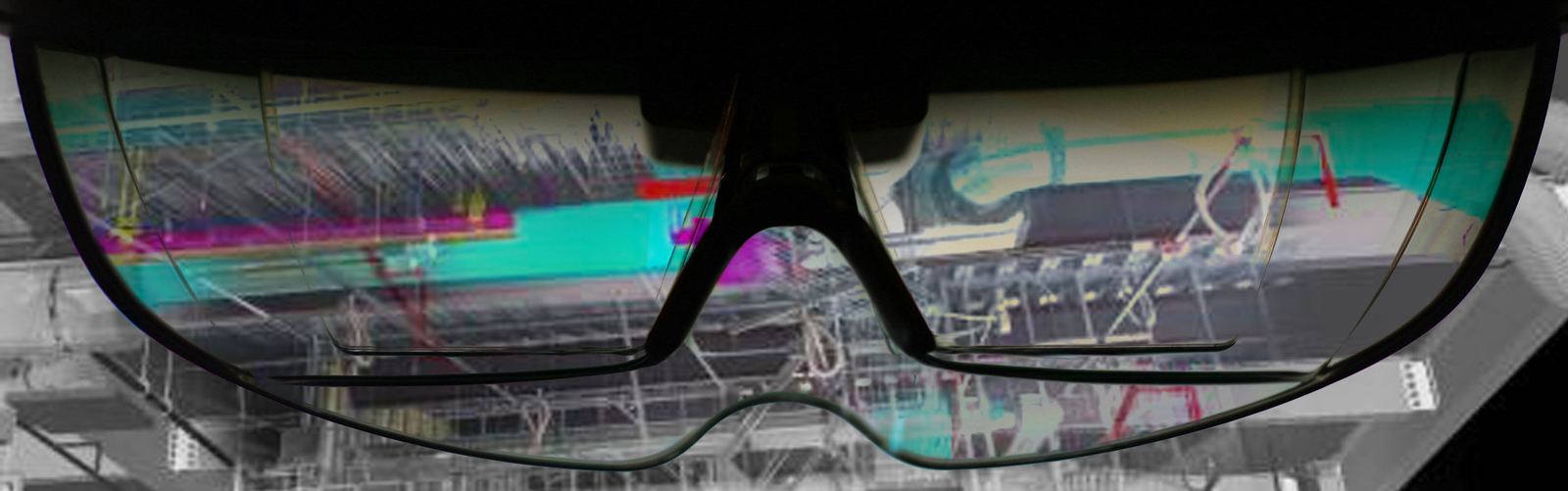
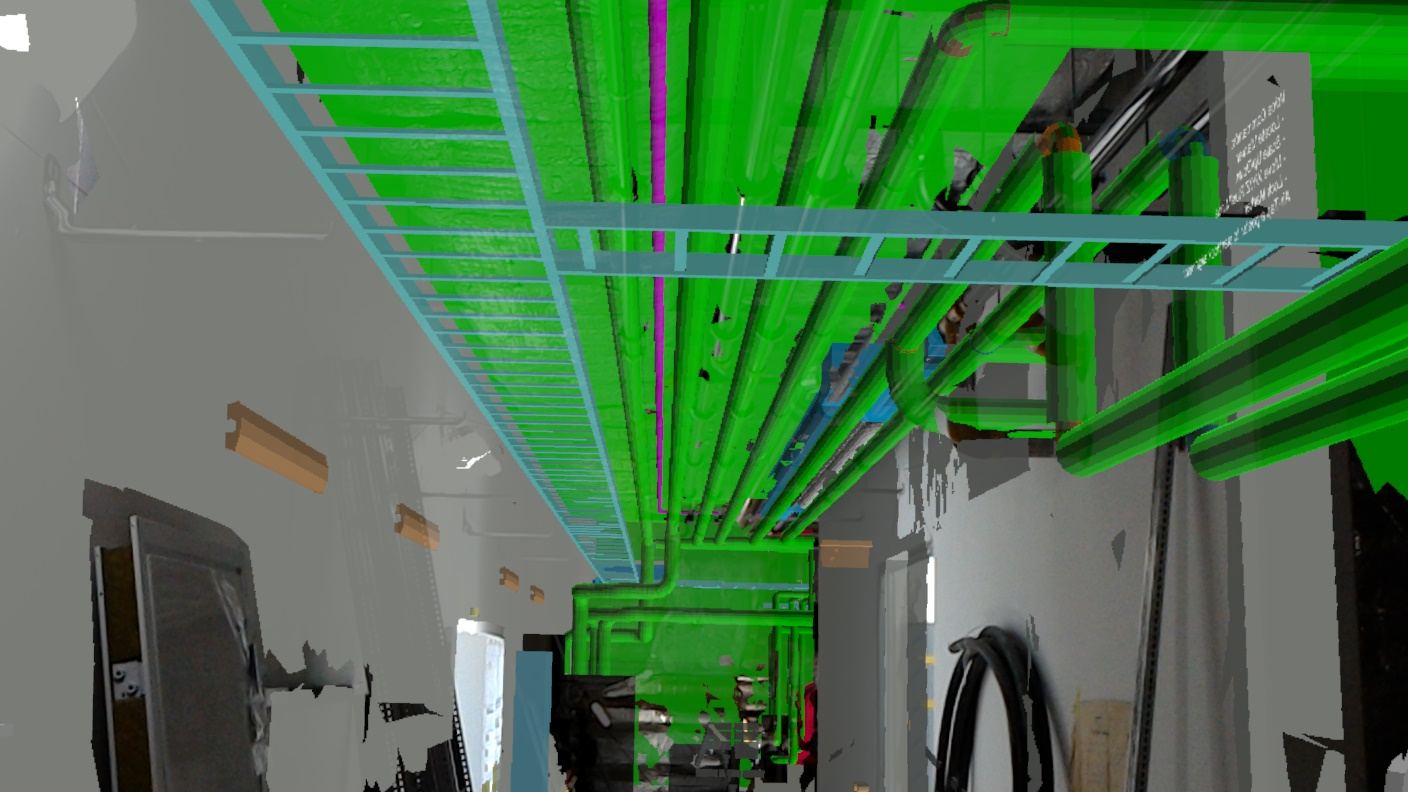
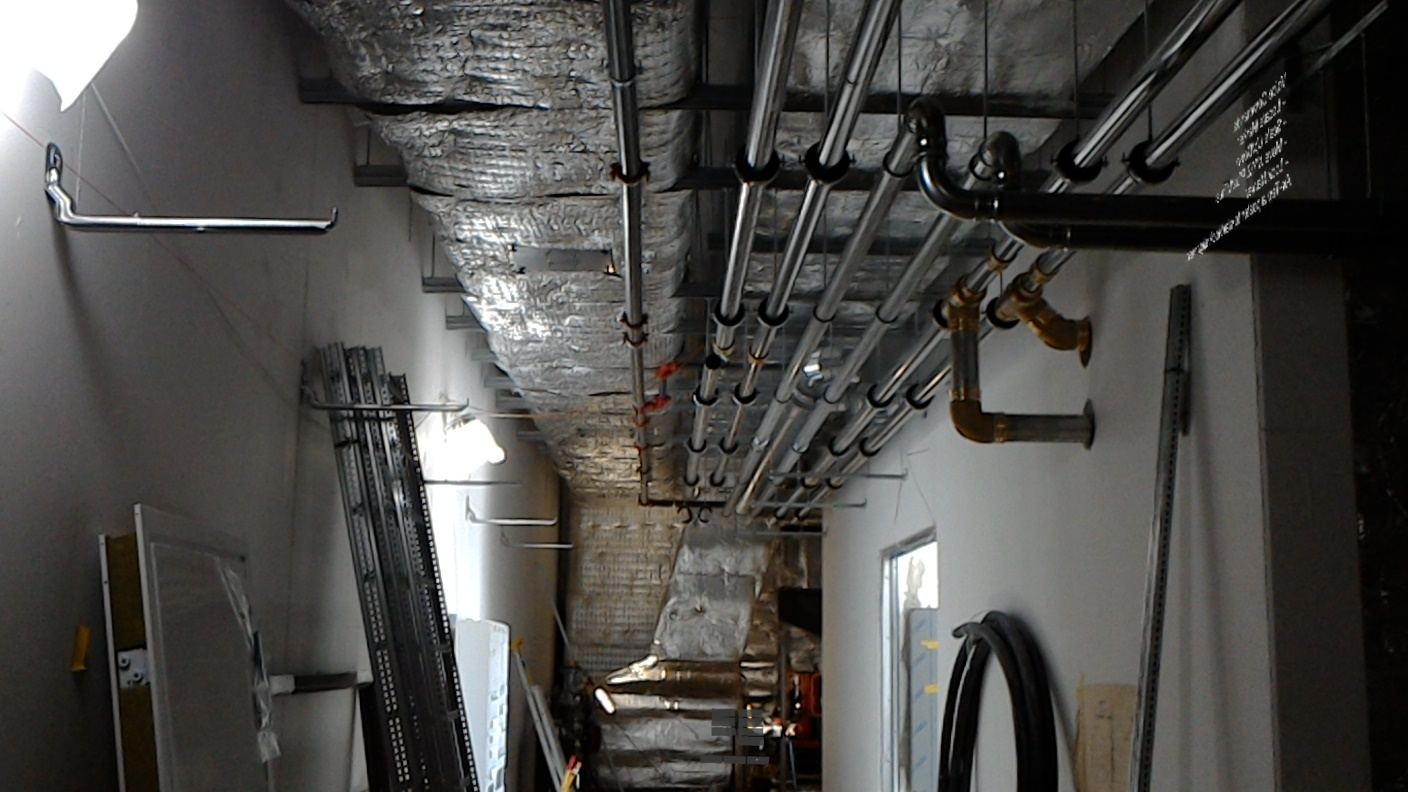
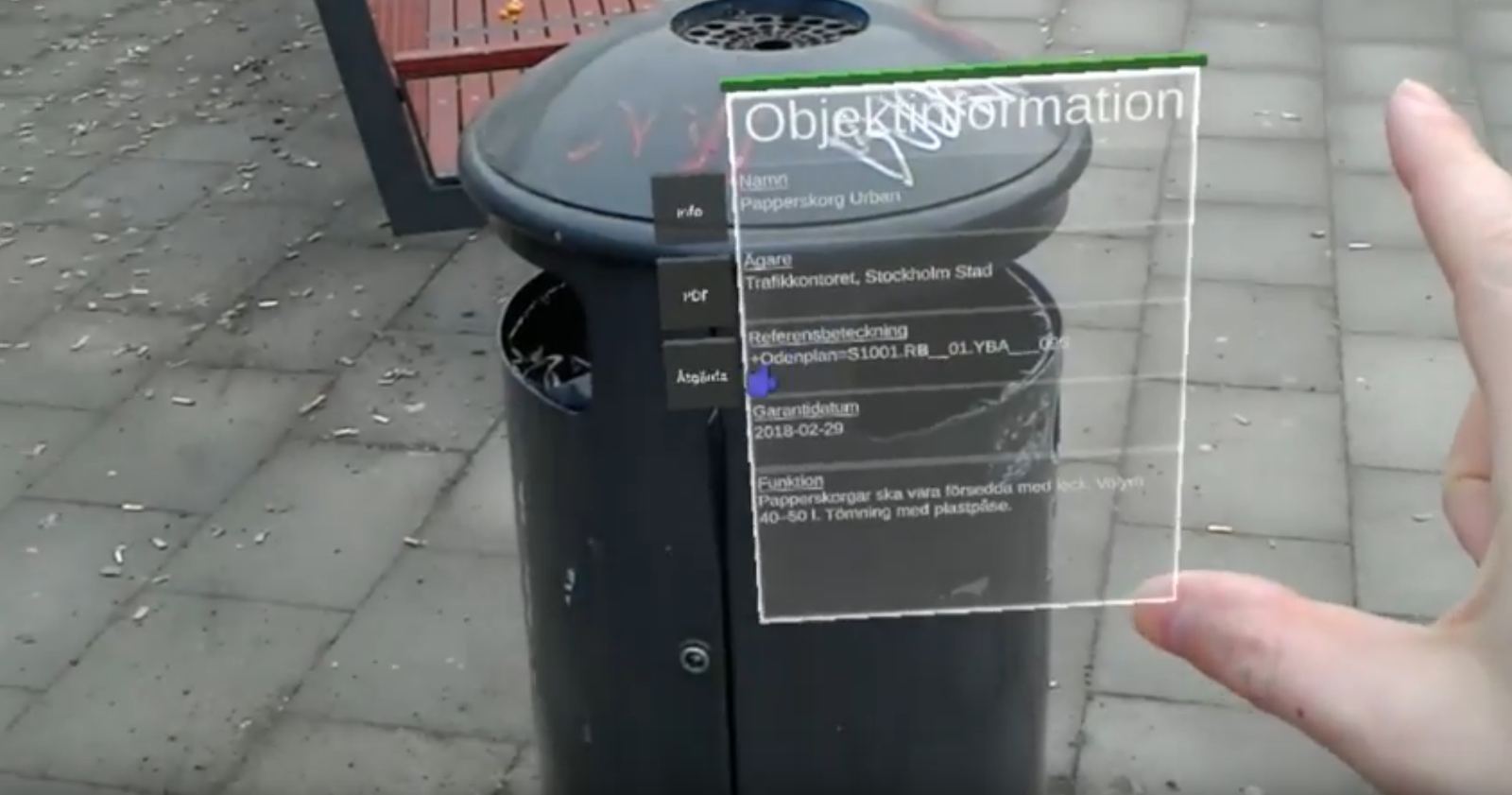
Most of what is left of Information Experience is pictures. The code is wound up, the cloud services are switched off, the hardware is obsolete — but the captures survive, and they show something about that which text struggles to convey: how little of this looked like science fiction, and how much of it looked like a construction site with colour on it.
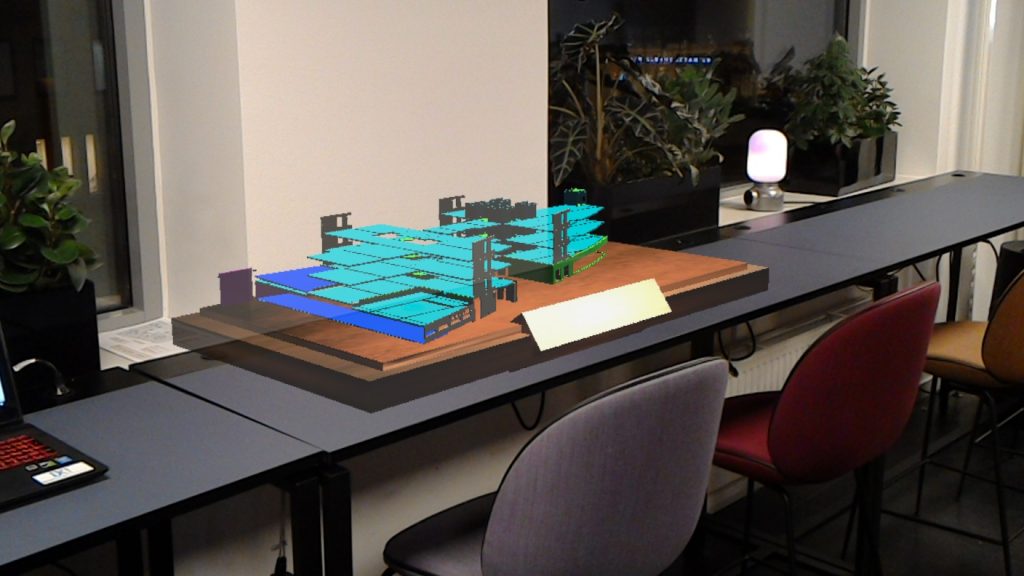
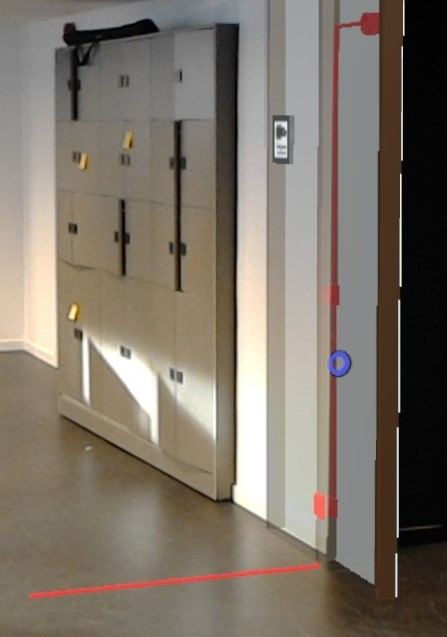
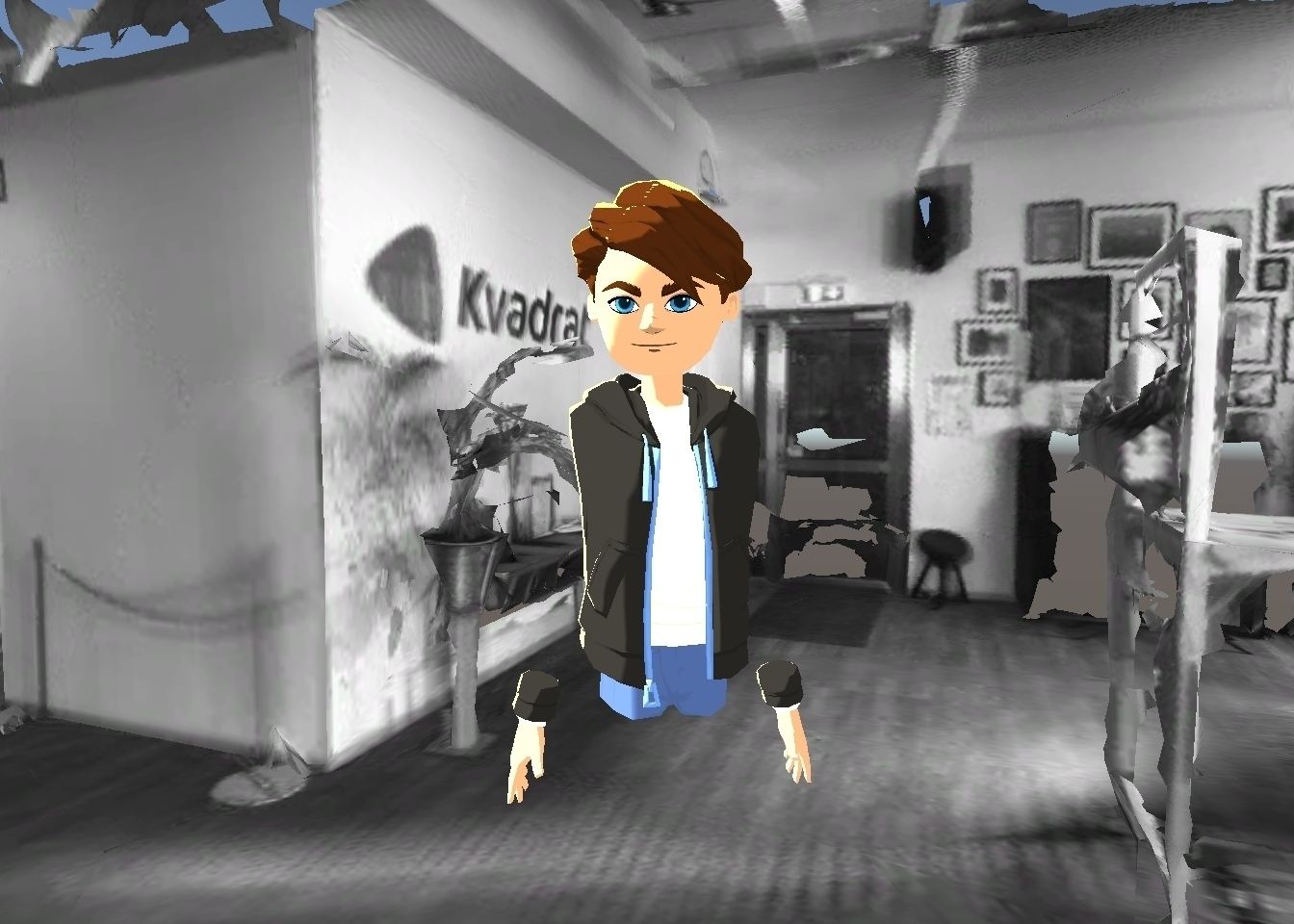
Nearly everything below is a mixed reality capture: taken through the headset, by the headset, with the model composited exactly as the wearer saw it. That makes them unusually accurate for marketing material. What is coloured is the model, everything else is the world, and when a hologram sits wrong in a picture it sat wrong in the room too.
The selection is narrow. What appears here was either published once — as the company’s own material or in the trade press — or is legible to someone who was not there. That second test cuts more than one would think: most raw captures are unreadable to an outsider, with debugging overlays in frame or geometry that means nothing without context. Unpublished images with identifiable people stay in the archive.
2016 — first attempts
2017 — the rebar, and the app beside it
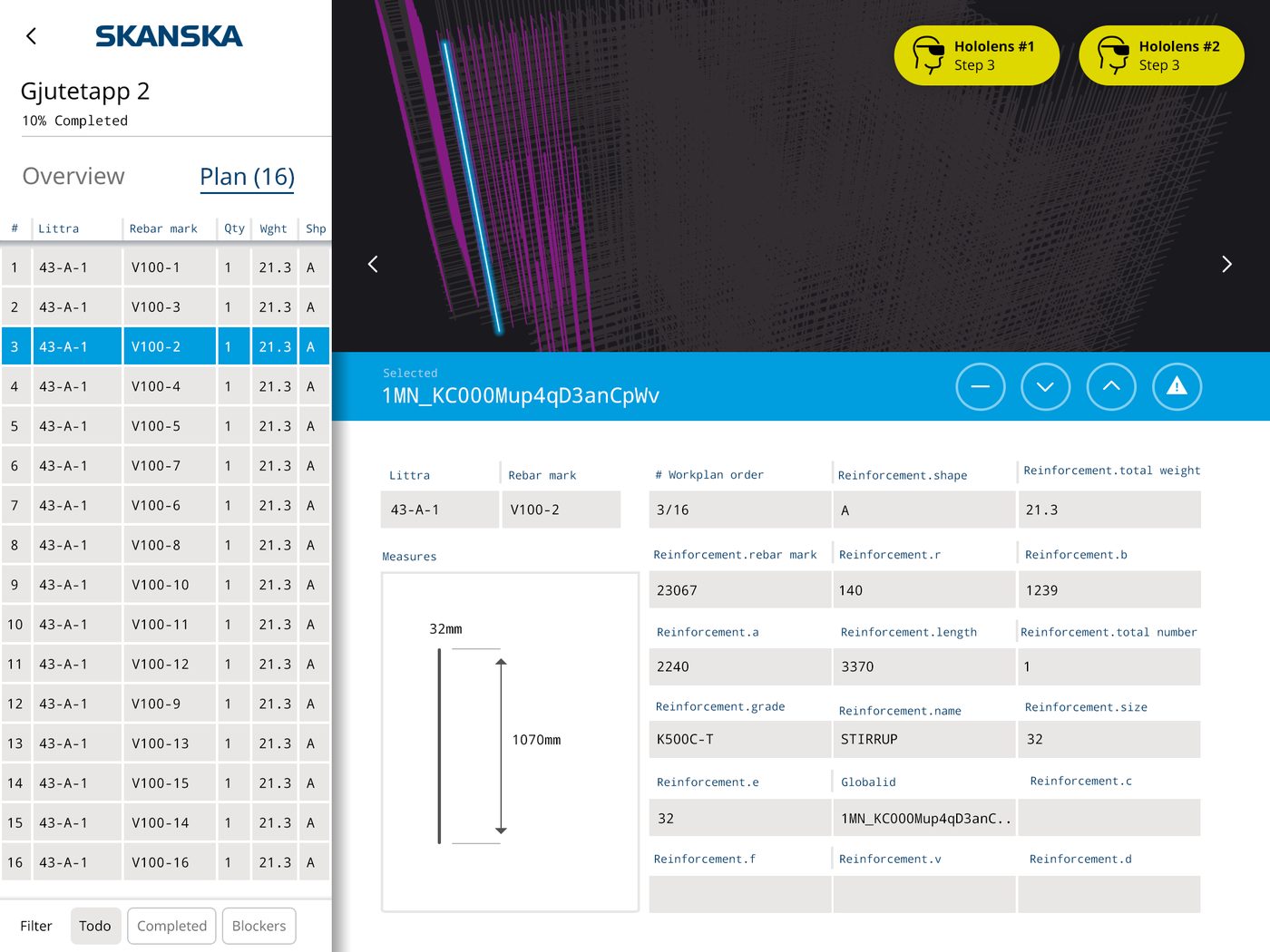
The year the ESS pilot in Lund drew attention. That story has a page of its own: Precision att bygga med, in Swedish. What drew no attention was the iPad app beside it, and that is the one that shows the underlying server technology the company was actually building.
2018 — into production
2020–2021 — and then other things
About the material
The images are re-encoded for the web and nothing else — no retouching, no colour correction. All EXIF has been stripped, because several captures come from sites that are not publicly accessible.
More pictures sit in the pages where they belong: the rebar app and the survey point in Precision att bygga med, the foundation in Ritningen som redan var gammal, and the kit on iXperience.